

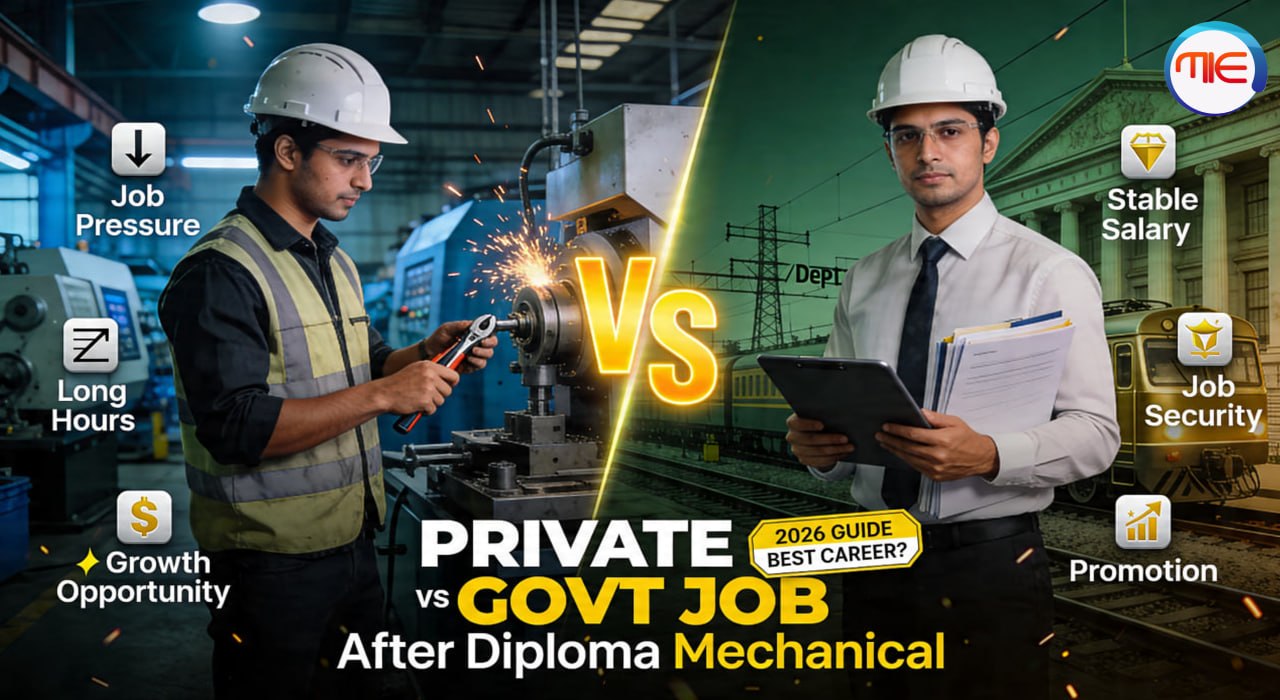
India's manufacturing sector, powered by the Make in India initiative, is targeted to contribute 25% of national GDP - meaning the demand for skilled mechanical diploma holders is at a historic high. At the same time, thousands of government vacancies across Railways, PSUs, and defence continue to attract lakhs of applicants every year.
The landscape has changed considerably. Private companies like Tata, Siemens, L&T, and Ola Electric are now offering structured training programs and competitive salaries to diploma engineers. On the other side, government jobs still offer what no private company can entirely replicate: lifelong job security, pension, and social prestige - especially in smaller cities and towns.
Government jobs for diploma mechanical engineers are plentiful across central and state departments. Every year, thousands of vacancies are released through competitive examinations and direct recruitment. Here is a structured overview of the most prominent options:
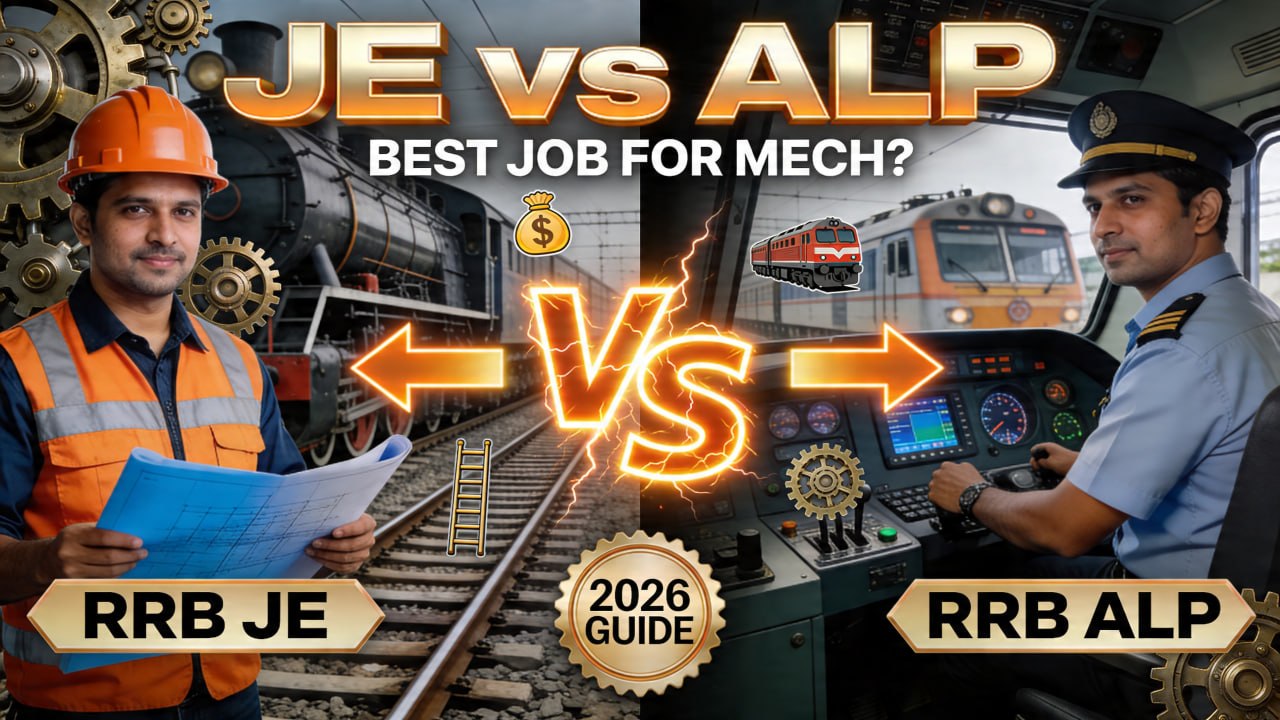
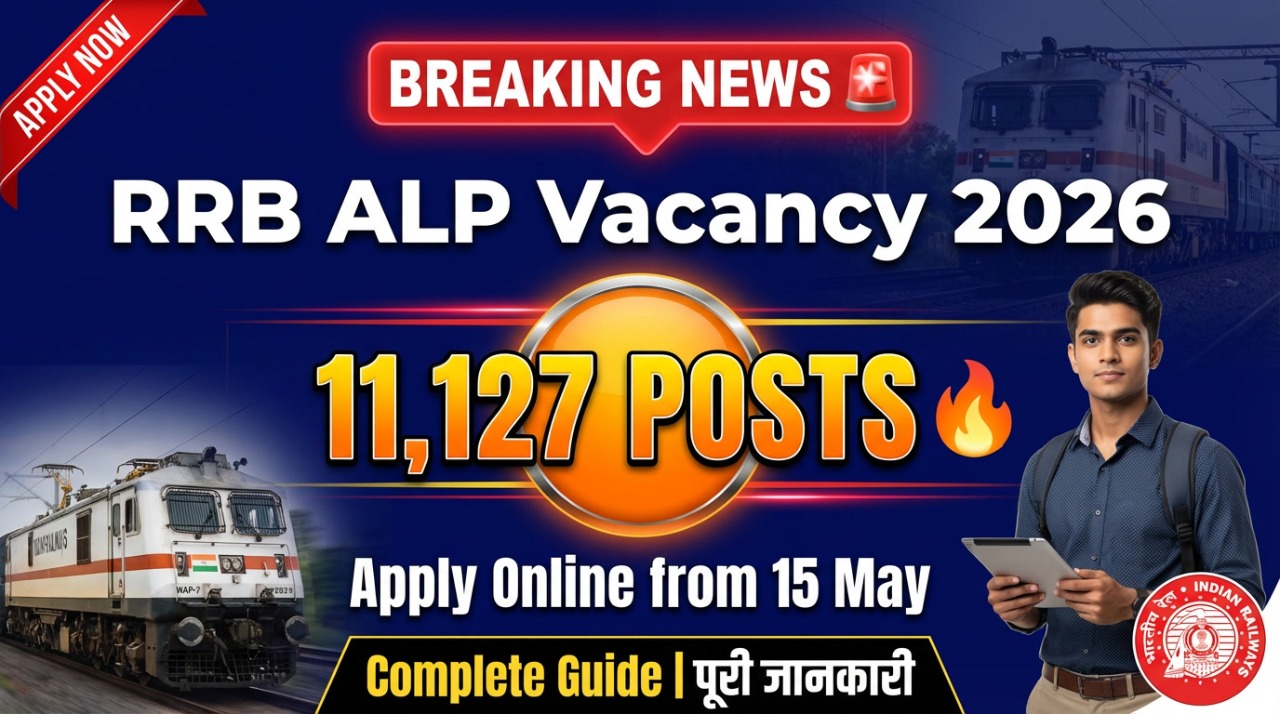
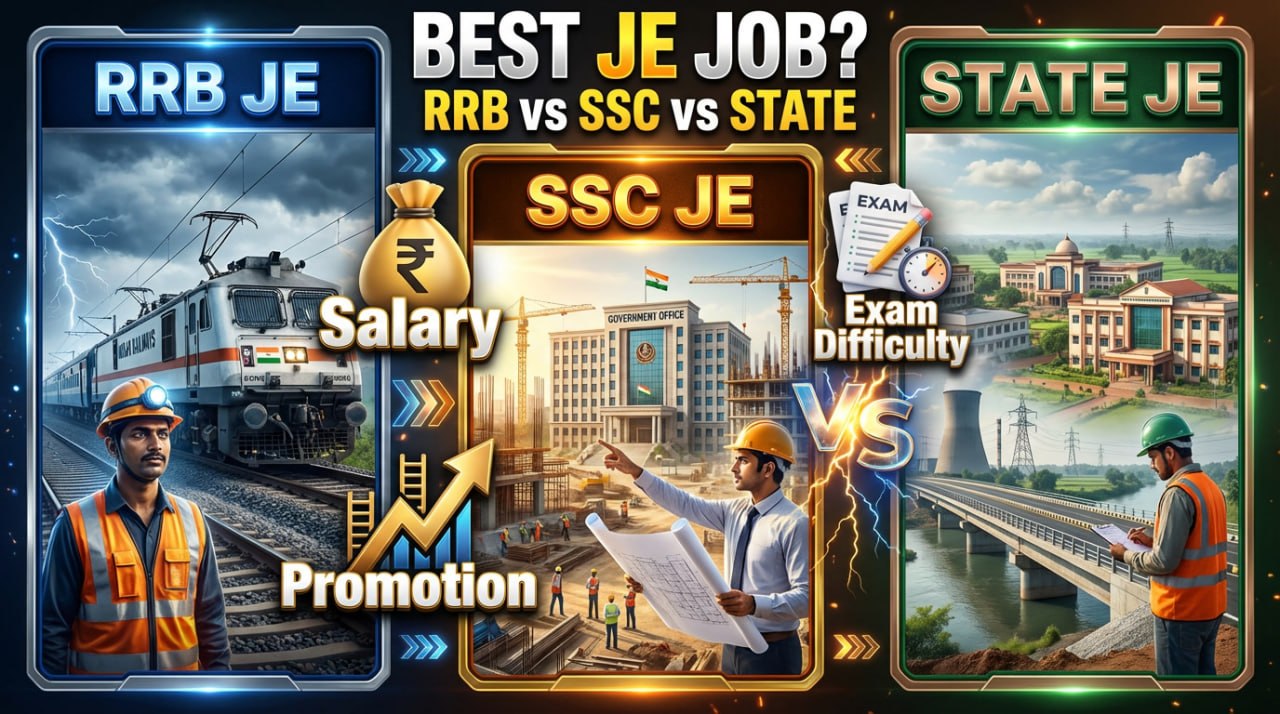
The Railway Recruitment Board is one of the largest employers of diploma holders in India. Diploma mechanical engineers can apply for roles like Junior Engineer (JE), Technician Grade III, and Section Engineer. These roles involve track maintenance, carriage and wagon inspection, and workshop supervision.
SSC JE is among the most popular exam routes for diploma holders targeting central government employment. Successful candidates are posted in departments like CPWD, Border Roads Organisation (BRO), and Central Water Commission.
Major PSUs like BHEL, ONGC, NTPC, IOCL, GAIL, and SAIL recruit diploma holders as Diploma Engineer Trainees, Technicians, and Apprentices. These companies offer salaries and perks that often exceed central government pay scales, making them a highly coveted option.
Organisations like DRDO, the Indian Army (Civilian Technical Posts), and the Indian Navy recruit diploma mechanical engineers for maintenance, workshop, and technical support roles. These positions carry significant prestige and job security.
State Public Service Commissions (PSCs), State Electricity Boards, Public Works Departments (PWDs), and State Transport Corporations recruit diploma engineers at the state level — great options for candidates who want to work close to home.
| Department / Organisation | Post Name | Recruitment Body / Exam | Entry-Level Pay Scale (7th CPC) |
|---|---|---|---|
| Indian Railways | Junior Engineer (Mechanical) | RRB JE | ₹35,400 – ₹1,12,400 (Level 6) |
| Indian Railways | Technician Grade III | RRB Technician | ₹19,900 – ₹63,200 (Level 2) |
| Central Govt. (CPWD / BRO etc.) | Junior Engineer | SSC JE | ₹35,400 – ₹1,12,400 (Level 6) |
| BHEL | Diploma Trainee (Mechanical) | Direct / GATE | ₹20,600 – ₹46,500 (approx.) |
| NTPC | Diploma Trainee | NTPC Recruitment | ₹16,000 – ₹40,500 (approx.) |
| ONGC | Junior Technician / Apprentice | Direct Recruitment | ₹15,000 – ₹35,000 (stipend + pay) |
| DRDO / Defence (Civilian) | Junior Research Fellow / Technician | DRDO Recruitment | ₹25,000 – ₹44,900 |
| State PWD / Electricity Boards | Junior Engineer / Sub-Engineer | State PSC / Direct | ₹25,000 – ₹40,000 (varies by state) |
The private sector in 2026 is more dynamic and diverse than ever for diploma mechanical engineers. Industries from automotive to oil & gas are actively hiring, and newer sectors like EV manufacturing are creating opportunities that didn't exist a decade ago.
Companies like Tata Motors, Mahindra, Maruti Suzuki, Ashok Leyland, Hero MotoCorp, and Bajaj Auto hire diploma mechanical engineers for roles in production, quality control, and maintenance. These are among the most common entry points for freshers.
For diploma holders willing to work in remote or offshore locations, oil and gas companies like ONGC (private arm), Cairn India, and Halliburton offer some of the highest starting packages. Offshore roles regularly push salaries well into premium territory.
Companies in aerospace, product design, and precision engineering need CAD/CAM technicians skilled in AutoCAD, SolidWorks, and CATIA. This is one of the fastest-growing and highest-paying specialisations for diploma holders who invest in the right software skills.
Companies like Ola Electric, Tata Motors EV, and Hero MotoCorp are actively hiring EV-trained technicians in 2026. This is a booming, fast-growing segment where early entrants have a significant career advantage.
Firms like Larsen & Toubro (L&T), Shapoorji Pallonji, and various Gulf-based companies hire diploma mechanical engineers for site supervision and MEP roles. Gulf opportunities in particular offer tax-free salaries that are very attractive for diploma holders.
| Job Role | Sector | Starting Salary (LPA) | Experienced (5+ Yrs, LPA) | Top Recruiters |
|---|---|---|---|---|
| Production / Plant Engineer | Manufacturing | ₹2.5 – ₹4 | ₹7 – ₹12 | Tata, Mahindra, Maruti, L&T |
| CAD / CAM Technician | Aerospace / Design | ₹3 – ₹5 | ₹10 – ₹15 | HAL, Siemens, Bosch, TATA ELP |
| Maintenance Engineer | Power / Chemical / Food | ₹3 – ₹5 | ₹8 – ₹14 | Thermax, ABB, Crompton |
| Quality Control Engineer | Auto / Manufacturing | ₹2.8 – ₹4.5 | ₹8 – ₹12 | Bharat Forge, Endurance, Uno Minda |
| EV Technician / Engineer | Electric Vehicles | ₹3 – ₹6 | ₹10 – ₹15 | Ola Electric, Tata EV, Hero Electric |
| CNC Programmer | Aerospace / Defence | ₹3.5 – ₹6 | ₹10 – ₹16 | MTAR, Dynamatic, ISRO vendors |
| Oil & Gas Technician | Oil and Gas | ₹5 – ₹8 | ₹12 – ₹20+ | ONGC pvt, Halliburton, Cairn |
| Site Supervisor / MEP | Construction / Gulf | ₹3 – ₹5 | ₹8 – ₹18 (Gulf) | L&T, Shapoorji, Emaar, Bechtel |
Salary is often the first thing candidates compare, but the picture is more complex than it seems. Government jobs come with a host of non-monetary benefits that dramatically change the true value of the compensation package.
| Parameter | Government Job (JE / PSU) | Private Job (Manufacturing / Core) |
|---|---|---|
| Starting Salary (Fresher) | ₹18,000 – ₹40,000/month | ₹15,000 – ₹30,000/month |
| In-Hand After All Allowances | ₹30,000 – ₹60,000/month | ₹15,000 – ₹35,000/month |
| Salary After 5 Years | ₹50,000 – ₹80,000/month | ₹30,000 – ₹80,000/month (skill-dependent) |
| Salary After 10 Years | ₹70,000 – ₹1,00,000+/month | ₹40,000 – ₹1,20,000+/month (varies widely) |
| HRA (House Rent Allowance) | Yes (8–27% of basic pay) | May or may not be included |
| DA (Dearness Allowance) | Yes (revised biannually) | No (or merged into CTC) |
| Pension / Gratuity | NPS + Gratuity on retirement | Gratuity only (after 5 years) |
| Medical Benefits | Full family coverage (CGHS / ESIC) | Group mediclaim (limited cover) |
| Annual Increment | Fixed 3% of basic pay (assured) | Merit-based (0–20% or more) |
| Bonus | Annual (performance linked) | Variable (may be high in good years) |
This is where the two paths diverge most sharply -and it's important to understand both trajectories honestly.
Government promotions are largely seniority-based and tied to annual performance ratings (APARs). They are structured, predictable, and transparent - but can feel slow. A Junior Engineer can become a Senior Engineer, then an Assistant Engineer, and eventually an Executive Engineer over a 15–20 year timeline. The key advantage is that this path is guaranteed - it doesn't depend on market conditions or manager preferences.
| Career Stage | Typical Designation (Govt) | Approx. Timeline | Pay Level (7th CPC) |
|---|---|---|---|
| Entry Level | Junior Engineer / Technician | Year 0–5 | Level 2–6 (₹19,900 – ₹35,400 basic) |
| Mid Level | Senior Engineer / Section Engineer | Year 5–12 | Level 7–8 (₹44,900 – ₹56,100 basic) |
| Senior Level | Assistant Executive Engineer | Year 12–18 | Level 10 (₹56,100+ basic) |
| Leadership | Executive / Deputy Chief Engineer | Year 18–25 | Level 12–14 (₹78,800+ basic) |
The private sector is more volatile - but also more meritocratic. A high performer who consistently upskills and switches strategically can reach senior positions in 8–10 years. However, those who don't invest in new skills (especially in CAD, automation, PLC/SCADA, or EV technology) often find their salaries plateauing.
| Career Stage | Typical Designation (Private) | Approx. Timeline | Salary Range (LPA) |
|---|---|---|---|
| Entry Level | Diploma Trainee / Junior Technician | Year 0–2 | ₹2.5 – ₹5 |
| Mid Level | Engineer / Senior Technician | Year 2–5 | ₹4 – ₹9 |
| Senior Level | Senior Engineer / Team Lead | Year 5–10 | ₹8 – ₹15 |
| Leadership | Manager / Deputy Manager | Year 10–15 | ₹15 – ₹30+ |
If you're targeting the government route, understanding the exam ecosystem is critical. Here's a comprehensive breakdown of all the major exams diploma mechanical engineers should track:
| Exam Name | Recruiting Body | Key Posts | Eligibility | Approx. Vacancies/Year |
|---|---|---|---|---|
| RRB JE (Junior Engineer) | Railway Recruitment Board | JE Mechanical, Technician | Diploma in Mech. Engg. | 5,000 – 15,000+ |
| SSC JE | Staff Selection Commission | Junior Engineer (Mechanical) | Diploma in Mech. Engg. | 1,000 – 3,000+ |
| DRDO Recruitment | DRDO | Junior Research Fellow / Technician | Diploma / B.Tech | 500 – 1,500 |
| State PSC JE Exams | Various State PSCs | Sub-Engineer / JE | Diploma in Mech. Engg. | Varies by state |
| BHEL Diploma Trainee | BHEL | Diploma Engineer Trainee | Diploma (60%+ marks) | 200 – 600 |
| NTPC Diploma Trainee | NTPC | Diploma Trainee | Diploma (60%+ marks) | 100 – 300 |
| ONGC Apprentice / Junior | ONGC | Junior Technician / Apprentice | Diploma / ITI | 300 – 800 |
| HAL / ISRO Technical Posts | HAL / ISRO / BARC | Technician B / C | Diploma in Mech. Engg. | 50 – 500 |
| Indian Army Technical Civilian | Indian Army | Chargeman / Technical Civilian | Diploma in Mech. Engg. | Variable |
| NATS / NAPS Apprenticeship | Ministry of Skill Dev. | Apprentice (Training) | Diploma Holder | Ongoing throughout year |
The job market in 2026 is not the same as it was even five years ago. Several powerful forces are reshaping what a diploma mechanical engineer's career looks like - in both sectors.
India's EV sector is on an explosive growth trajectory. Companies like Ola Electric, Tata Motors EV, and Hero Electric are hiring at scale. Diploma mechanical engineers who add certifications in battery management systems, EV powertrain, and charging infrastructure are commanding starting salaries of ₹3–6 LPA with a clear path to ₹10–15 LPA within a few years.
The government's Make in India push is driving massive investment in domestic manufacturing. Sectors like defence production, semiconductor packaging, and precision engineering are creating both government and private job opportunities. Companies receiving PLI (Production-Linked Incentive) scheme benefits are hiring aggressively to scale production.
Smart factories are replacing traditional production lines across India. Diploma holders who understand PLC (Programmable Logic Controllers), SCADA systems, and industrial robotics are in high demand at companies like Bosch, ABB, Fanuc, and Siemens. These roles pay ₹5–12 LPA even for freshers with the right certifications.
Countries like UAE, Saudi Arabia, Qatar, and Kuwait continue to hire Indian diploma mechanical engineers for construction, oil & gas, and infrastructure projects. These roles offer tax-free salaries that, when converted, are significantly higher than comparable Indian salaries — making them one of the most financially rewarding options for diploma holders willing to work abroad.
| Emerging Opportunity | Sector | Starting Salary | 5-Year Potential | Key Certification to Add |
|---|---|---|---|---|
| EV Technician / Engineer | Electric Vehicles | ₹3 – ₹6 LPA | ₹10 – ₹15 LPA | EV Battery Management, TATA EV Course |
| PLC / SCADA Engineer | Industrial Automation | ₹5 – ₹7 LPA | ₹10 – ₹18 LPA | Siemens / Allen Bradley PLC Certification |
| NDT (Non-Destructive Testing) | Oil & Gas / Aerospace | ₹4 – ₹7 LPA | ₹12 – ₹25 LPA | NDT Level 2/3 (ASNT / PCN) |
| Gulf Construction / MEP | International (Gulf) | ₹6 – ₹10 LPA (equiv.) | ₹15 – ₹25 LPA | MEP Diploma / Gulf Safety Cert. |
| CNC Programmer | Aerospace / Defence | ₹3.5 – ₹6 LPA | ₹10 – ₹16 LPA | CNC Mastercam / Fanuc Programming |
| Renewable Energy Technician | Solar / Wind | ₹3 – ₹5 LPA | ₹8 – ₹14 LPA | Solar PV Design, Wind Turbine Maintenance |
Rather than declaring one path universally "better," here's an honest framework for making the right decision based on your specific situation, priorities, and personality.
You prioritise long-term financial security, a stress-free retirement, and a stable lifestyle over high short-term earnings. Government jobs are ideal if you come from a smaller city or town where the social prestige of a sarkari naukri carries significant weight, and if you have the patience and dedication to prepare seriously for competitive exams. If job security is non-negotiable - especially if you support a family - the government path is the wiser long-term choice.
| Factor | Government Job | Private Job | Who Wins? |
|---|---|---|---|
| Job Security | Extremely High | Moderate to Low | Govt |
| Starting Salary (Fresher) | ₹18K – ₹40K/month | ₹15K – ₹30K/month | Govt (slightly) |
| Salary Growth (10 Years) | Moderate (assured) | High (if skilled) | Private |
| Pension Benefits | Yes (NPS + Gratuity) | No pension | Govt |
| Medical Benefits | Full family (CGHS) | Limited mediclaim | Govt |
| Work-Life Balance | Generally better | Often demanding | Govt |
| Tech Exposure / Innovation | Limited | High (EV, AI, IoT) | Private |
| Speed of Promotion | Slow (seniority-based) | Fast (merit-based) | Private |
| Social Prestige (Tier 2/3 cities) | Very High | Moderate | Govt |
| Time to First Job | 1–2 years (exam + result) | Immediate (campus or walk-in) | Private |
| International Opportunity | Very Limited | High (Gulf, Asia) | Private |
| Overall Best For | Security-first candidates | Growth-first candidates | Depends on you! |
Whether you're targeting SSC JE, RRB JE, a PSU trainee role, or a private job in EV or manufacturing - the key is to start preparing strategically today. Don't wait for the perfect moment. Your career decisions in 2026 will shape the next 10 years of your life.
Your action plan right now:
Best of luck to all diploma mechanical aspirants! ⚙️
Explore SSC JE 2026 — Apply Now
Makeiteasy



.jpg)
“Download our app now to unlock a world of convenience and seamless access to our extensive range of features, including live and recorded classes, study material, Test series and thousand of practice questions—all at your fingertips!”


Leave a Comment